HVAC Sealing Service
Affordable HVAC Sealing
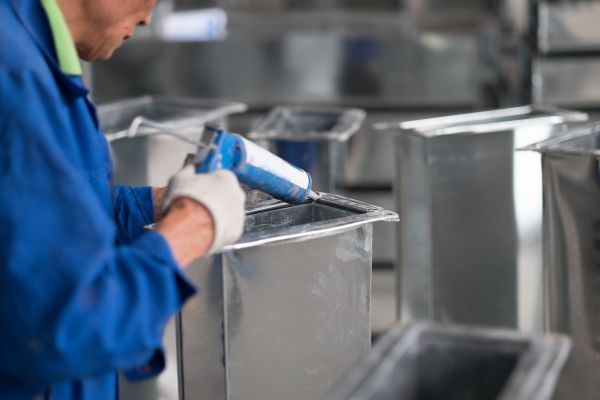
HVAC Sealing is a crucial aspect of maintaining an efficient and effective heating, ventilation, and air conditioning system. It involves sealing leaks in the ductwork to ensure that the air being heated or cooled is delivered efficiently throughout a building. Without proper sealing, air can escape through gaps or cracks, leading to energy loss, increased utility bills, and uneven temperature distribution. By investing in professional HVAC Sealing, homeowners and businesses can enjoy a more comfortable indoor environment, lower energy costs, and a reduced carbon footprint.
Benefits of HVAC Sealing
-
Improved Energy Efficiency
Sealing leaks in the ductwork prevents conditioned air from escaping, which means the HVAC system doesn't have to work as hard to maintain the desired temperature. This increased efficiency can lead to significant savings on energy bills over time, as the system uses less power to achieve the same results. -
Enhanced Indoor Comfort
When the ductwork is properly sealed, the HVAC system can distribute air more evenly throughout the building. This results in a more consistent temperature in every room, eliminating hot or cold spots and enhancing overall comfort for occupants. -
Extended HVAC System Lifespan
By reducing the workload on the HVAC system, sealing can help extend its lifespan. When the system doesn't have to compensate for air leaks, it experiences less wear and tear, which can lead to fewer breakdowns and a longer operational life. -
Improved Indoor Air Quality
Properly sealed ducts can prevent contaminants like dust, pollen, and other allergens from entering the system and circulating throughout the building. This can lead to a healthier indoor environment, reducing the risk of respiratory issues and allergies for occupants.
FAQs About HVAC Sealing
What is HVAC Sealing?
HVAC Sealing involves sealing leaks and gaps in the ductwork of heating, ventilation, and air conditioning systems to improve efficiency and performance.
How can I tell if my HVAC system needs sealing?
Signs that your system may need sealing include uneven temperatures in different rooms, higher than normal energy bills, and visible dust accumulation around vents.
Can I seal my HVAC ducts myself?
While some minor leaks can be addressed with DIY solutions, professional HVAC Sealing ensures that all leaks are properly identified and sealed using the best materials and techniques.
How often should HVAC Sealing be done?
It's recommended to have your HVAC system inspected and sealed every few years, or whenever you notice signs of inefficiency or increased energy costs.
Fill out the contact form today to request professional HVAC Sealing and experience the benefits of improved energy efficiency, enhanced indoor comfort, and better air quality.